Nissen, ZBI, 2227; Brunet, III, col. 682; Graesse, IV, p.35.
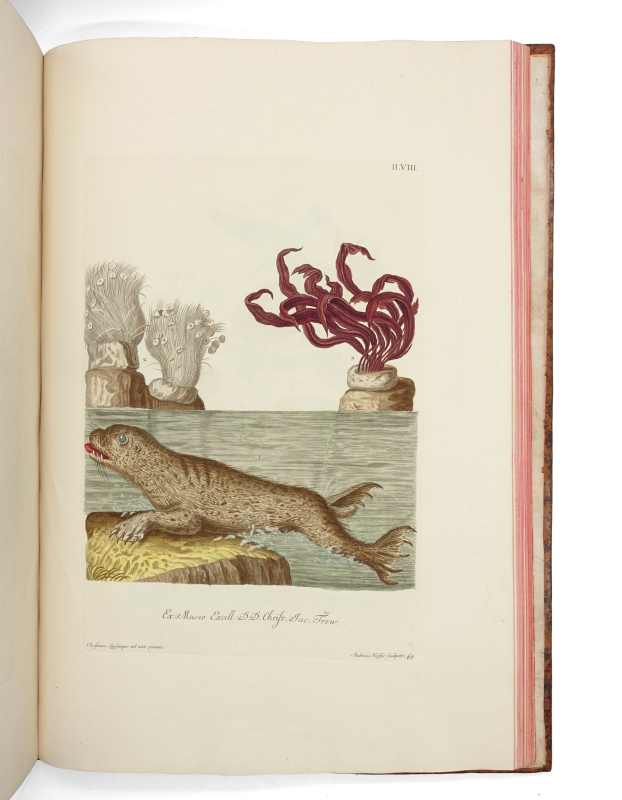
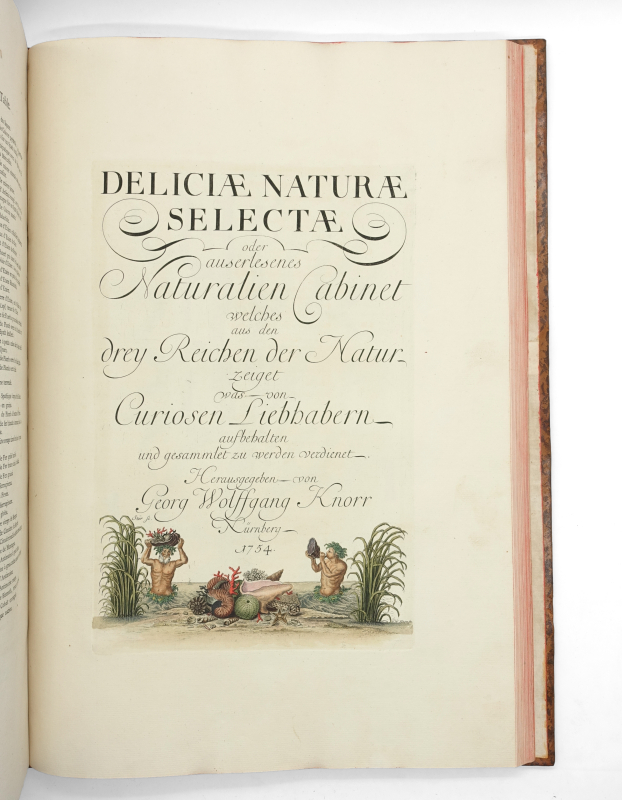
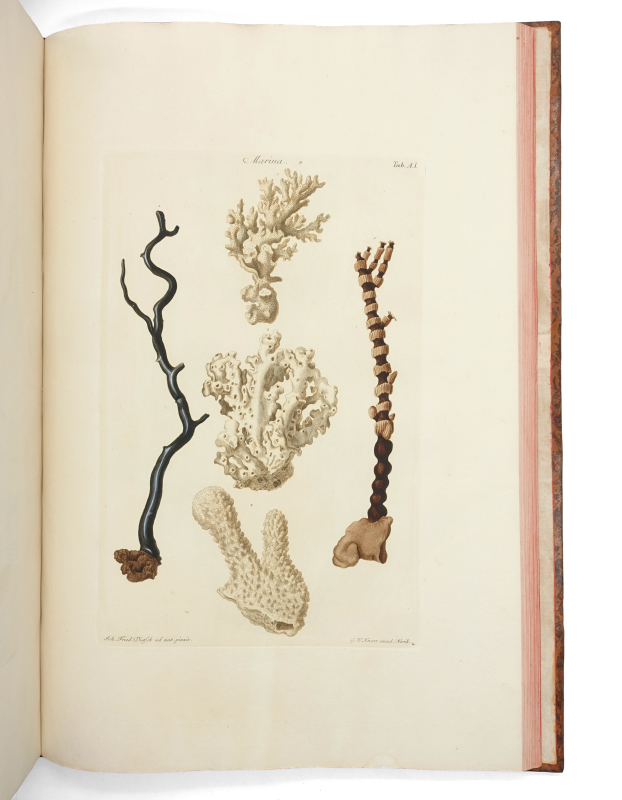
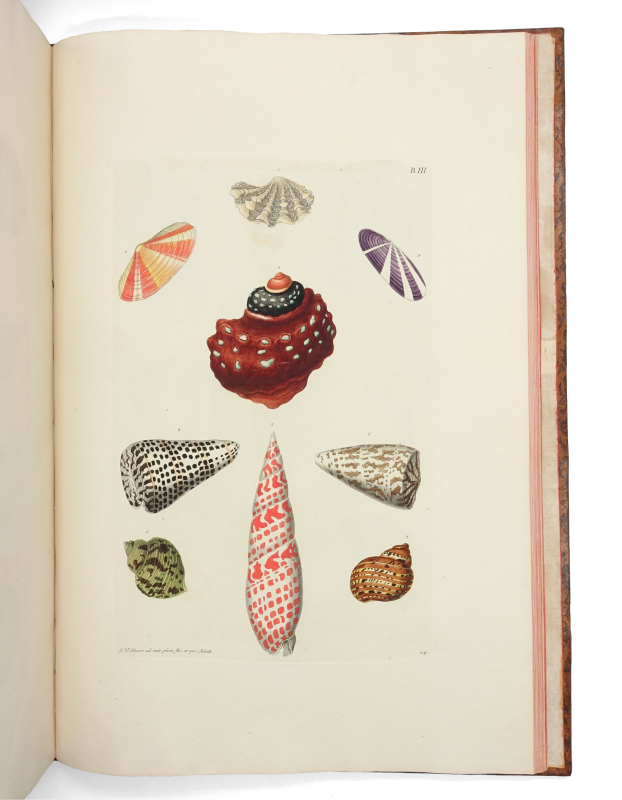
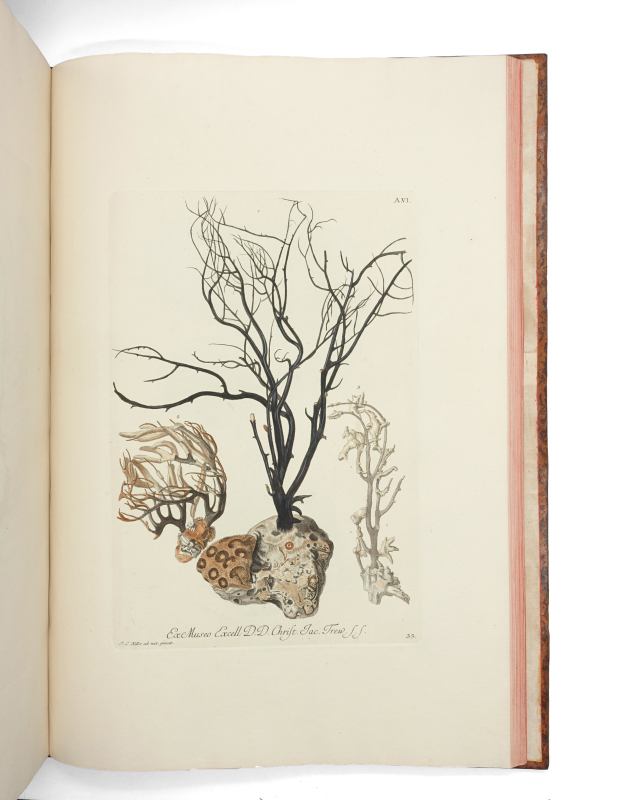
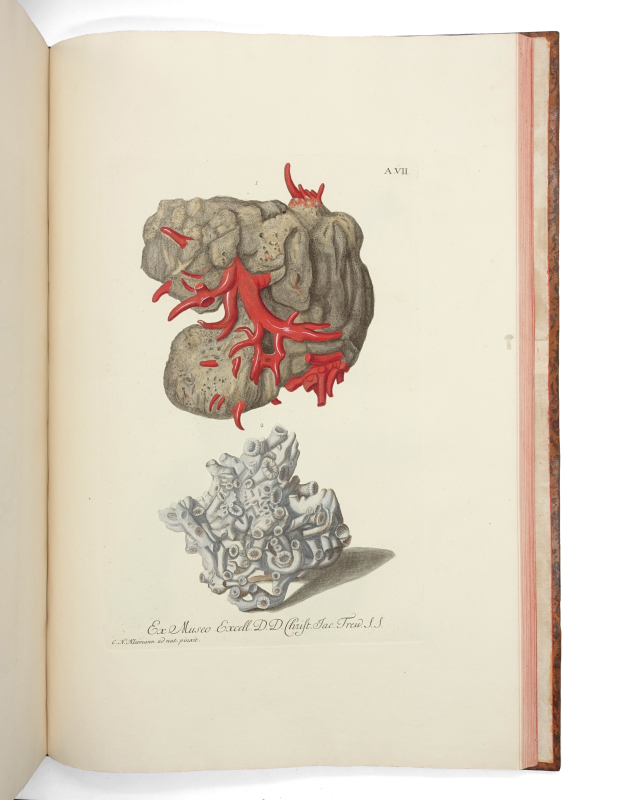
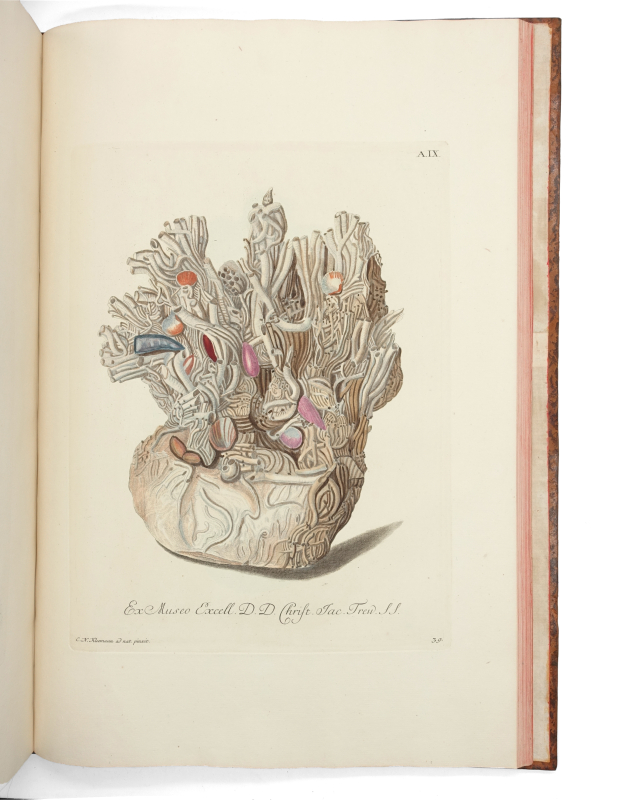
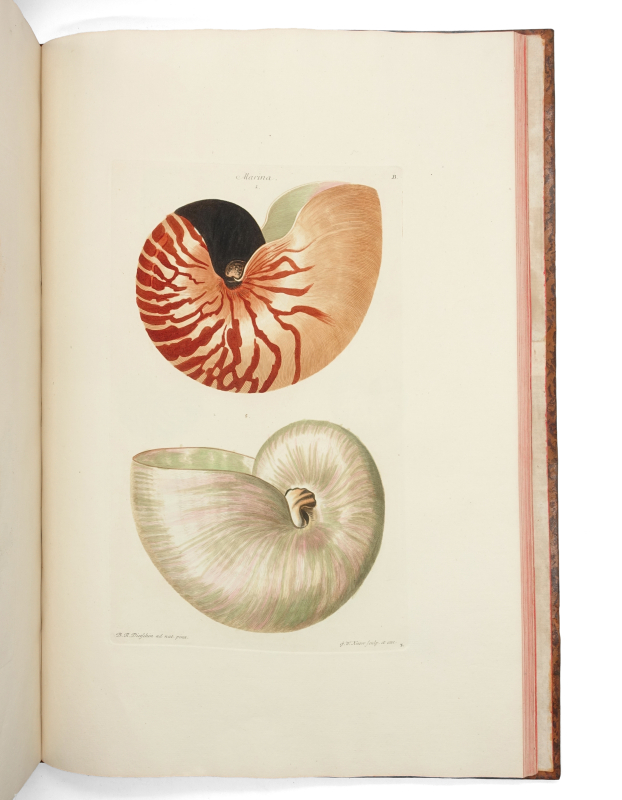
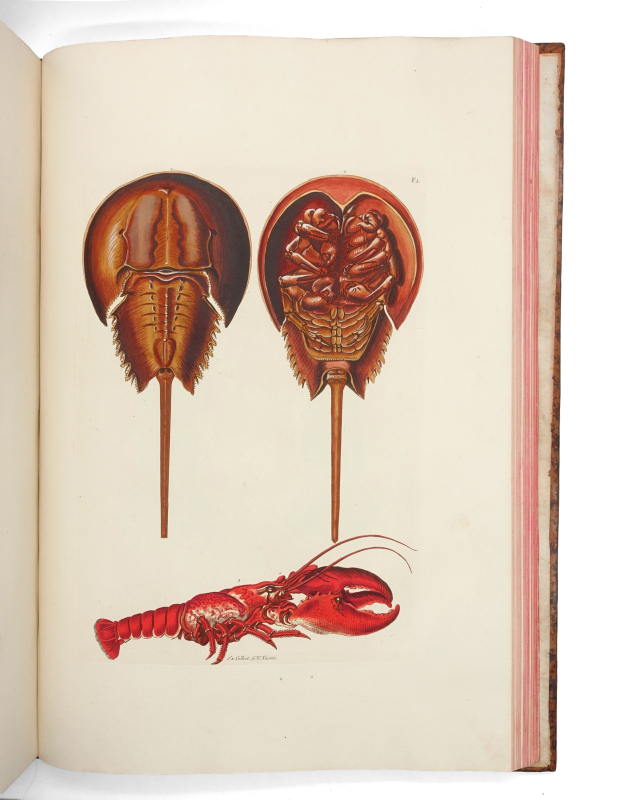
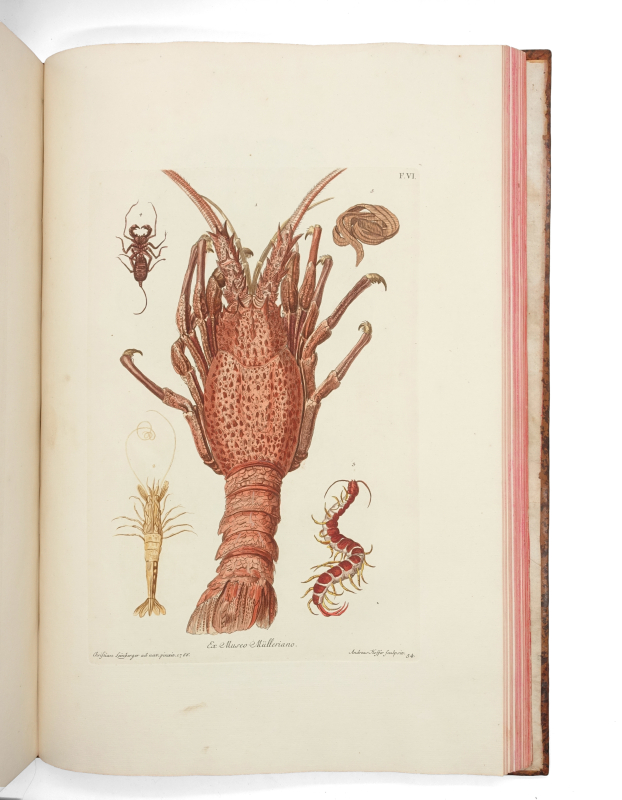
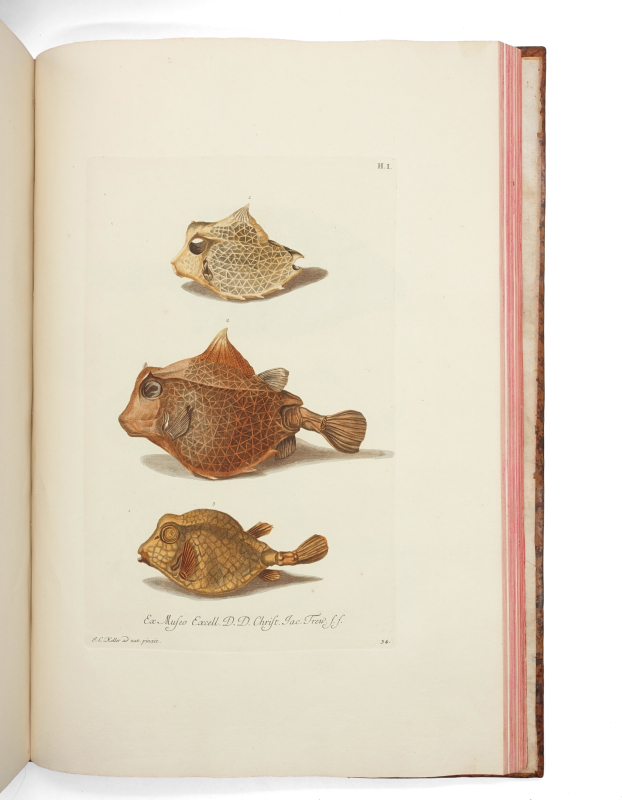
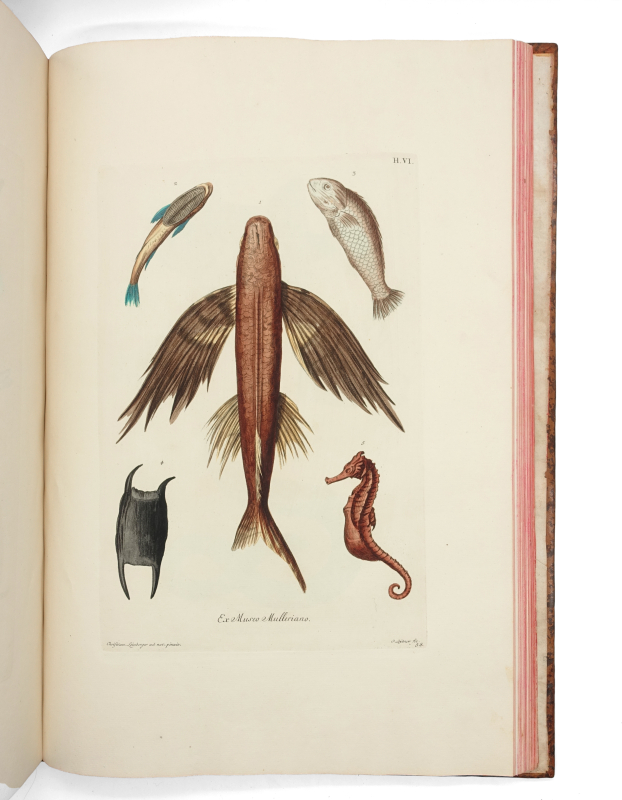
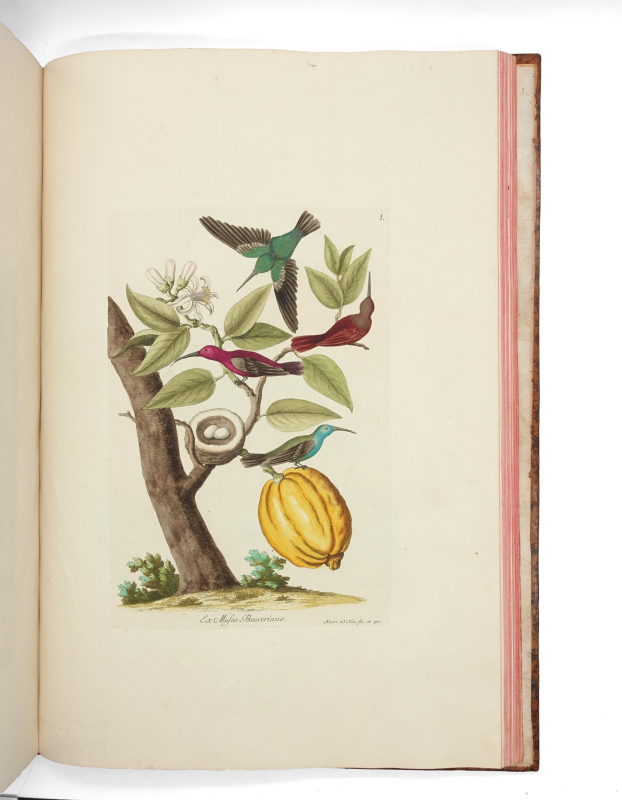
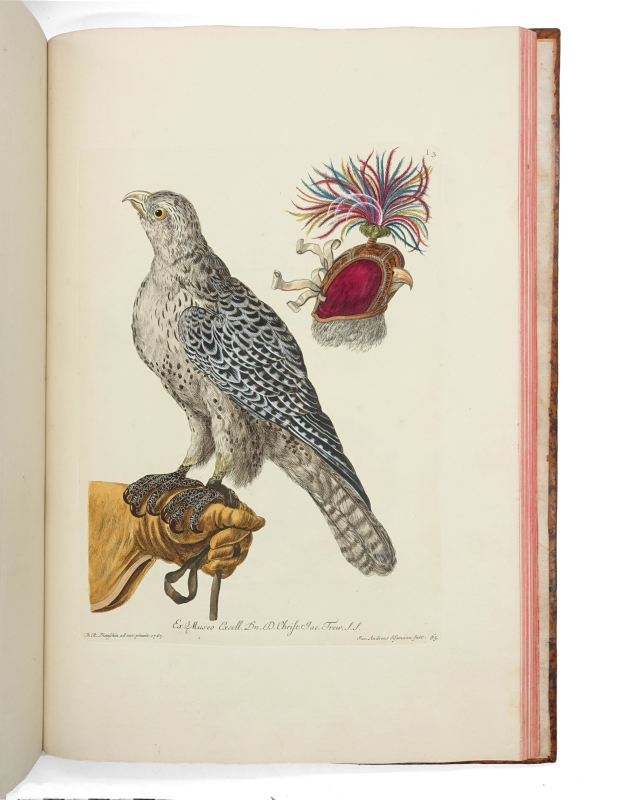
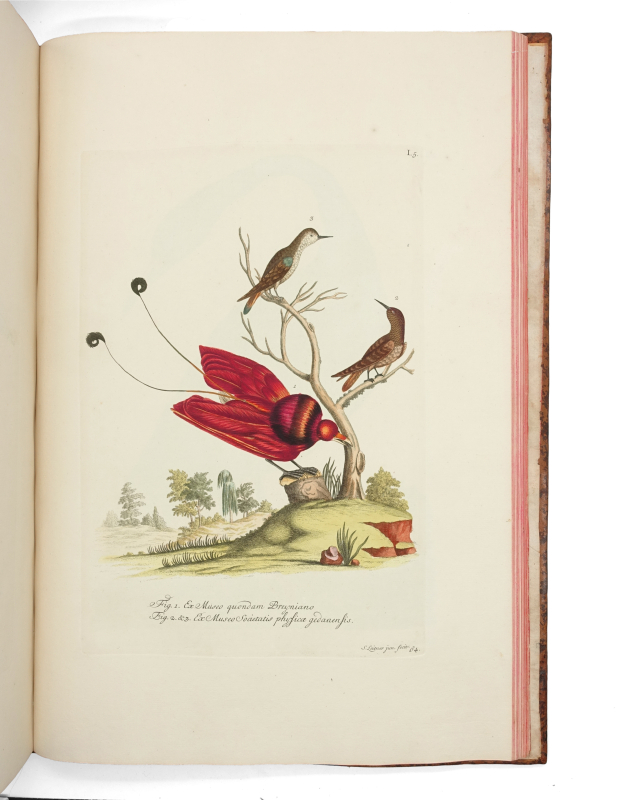
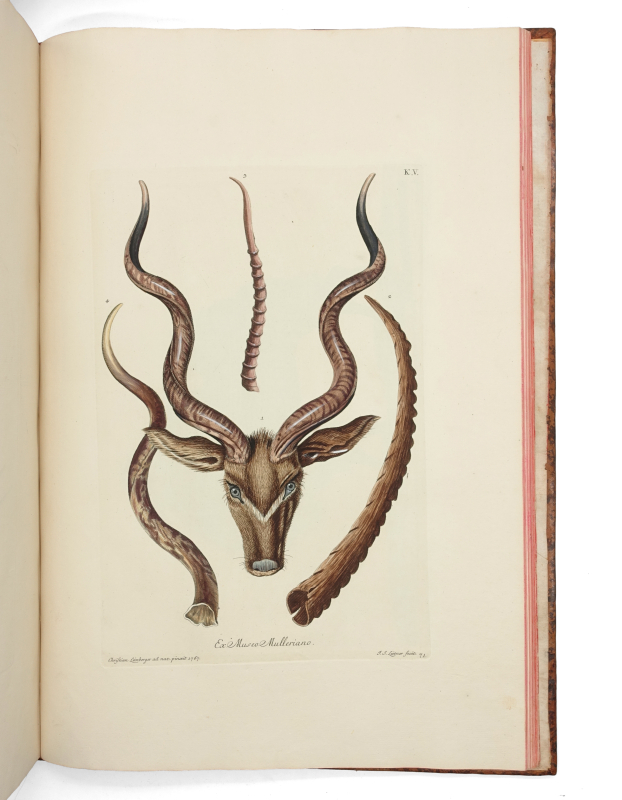
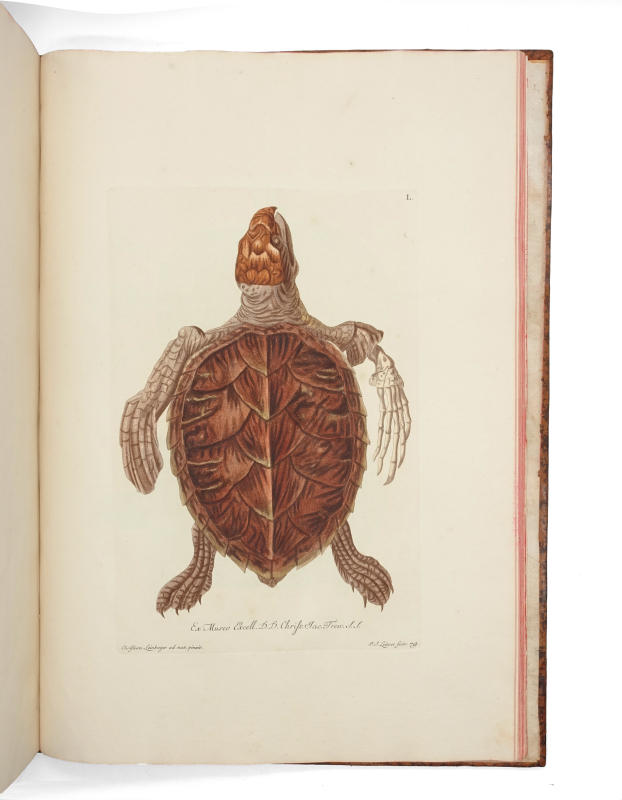
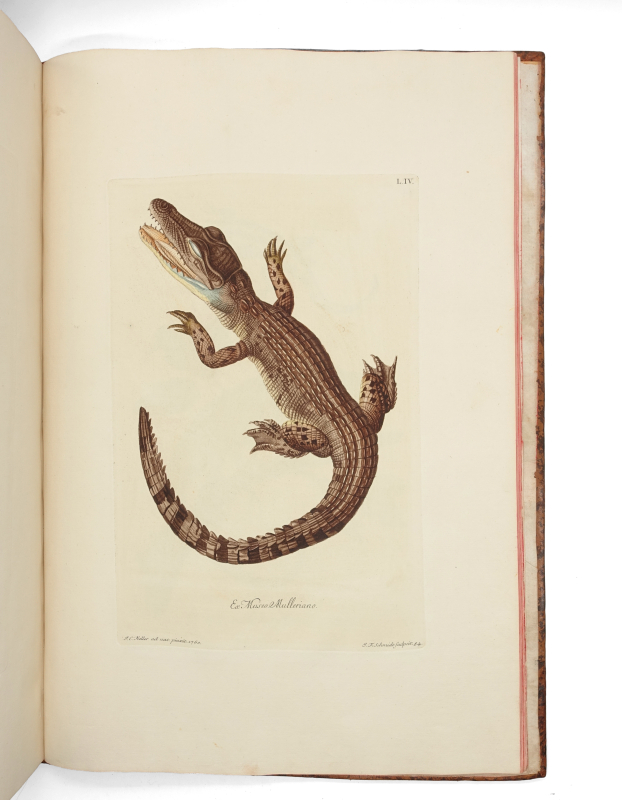
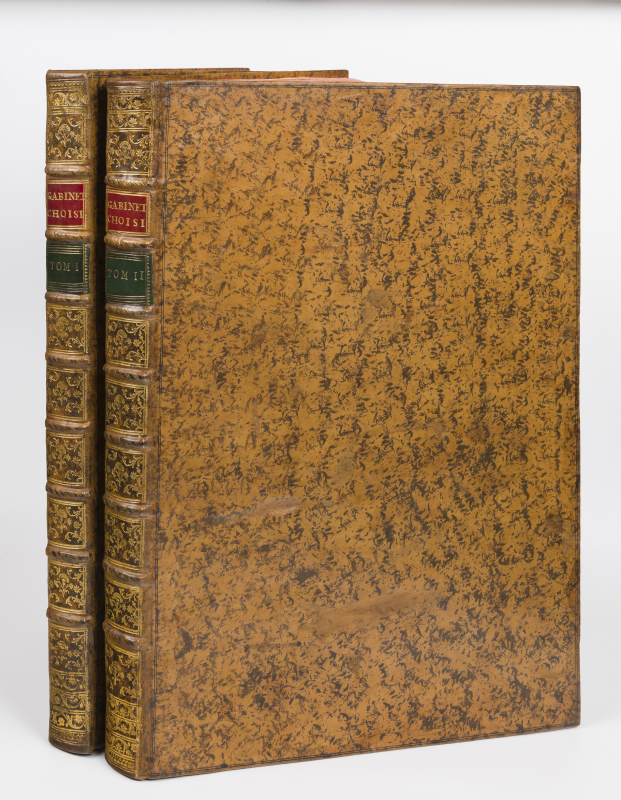
First edition published posthumously of this magnificent work, illustrated with 91 superb plates, engraved and coloured at the time. This work was produced based on original specimens preserved in several of the major 18th-century cabinets of curiosities.
Knorr’s interest in natural history began whilst he was working with other artists on the engravings for Scheuchzer’s Physica Sacra, published between 1731 and 1735 in Augsburg.
Knorr was a pioneer of palaeontology, an extremely accomplished engraver and art dealer who, during his lifetime, assembled a fine collection of drawings based on cabinets of curiosities and other collections of natural history specimens held by amateurs in Holland and Germany in the early 18th century (Muller, Houttyn, Schadeloock and others). Many specimens described in this book come from the collection of Christoph Jacob Trew (1708–1770), author of the Hortus Nitidissimus. The collectors “were kind enough to provide the means to produce lifelike illustrations from them, thereby rescuing them from oblivion, and thus facilitating the advancement of human knowledge into the marvellous secrets of Nature. It was all the more fitting to make such a noble study accessible to everyone in this way, as the Originals & Masterpieces of Nature, which we are here sharing with the public, are rare, & are scarcely ever found gathered together in a single Cabinet” (translated from the preface).
Knorr was also one of the proto-geologists of the 18th century who first used fossils for the identification and mapping of the stratigraphic succession. It was this generation that finally established the organic origin of fossils and accumulated sufficient descriptive material to classify its discoveries within the biological kingdom, thereby providing the palaeontological basis for the law of faunal succession. The extraordinary quality of the plates led to the expansion of Walch’s work, as well as to French and Dutch editions. It is no exaggeration to say that the beauty of some of Knorr’s illustrations surpasses that of their models and that, in all cases, the artist’s eye transformed neutral, natural objects into enduring, formal aspects of humanism. The detail and precision of Knorr’s engravings not only made zoological classification possible, but also firmly established the distinction between fossils of organic origin.
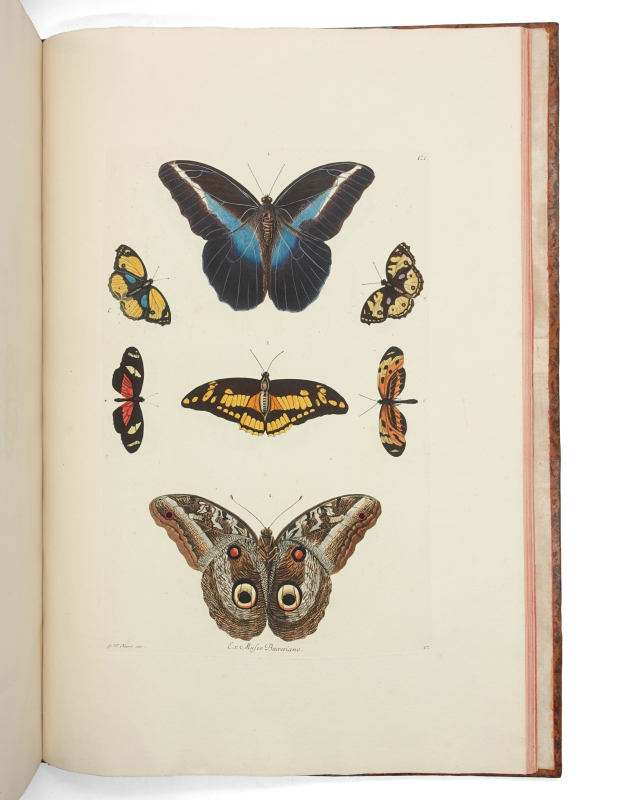
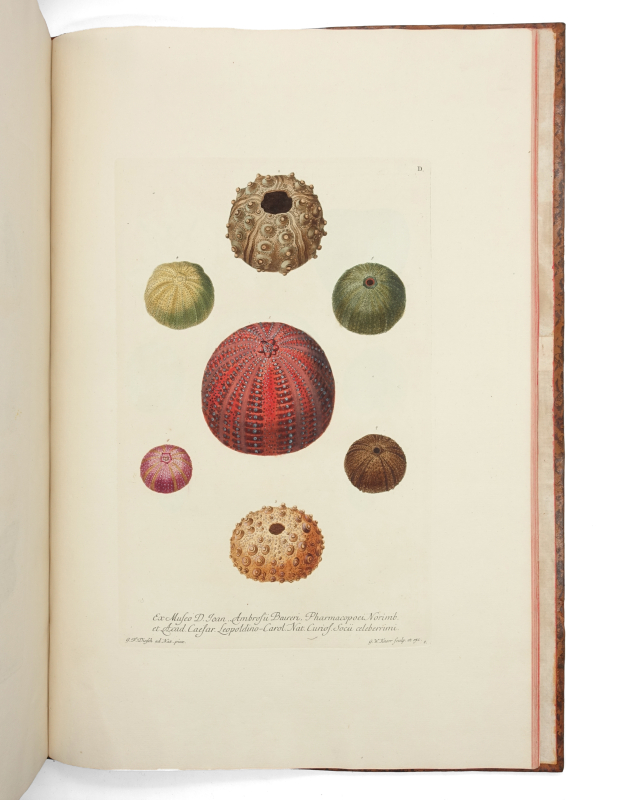
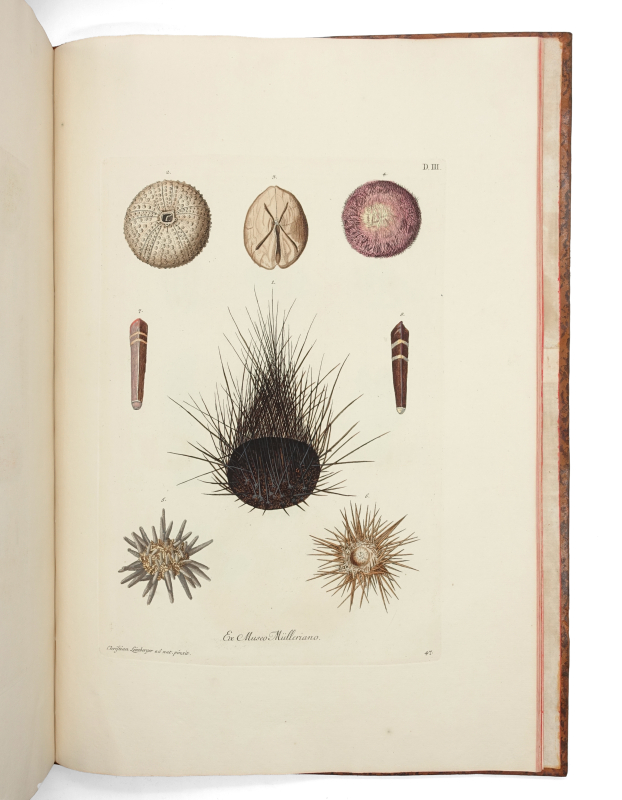
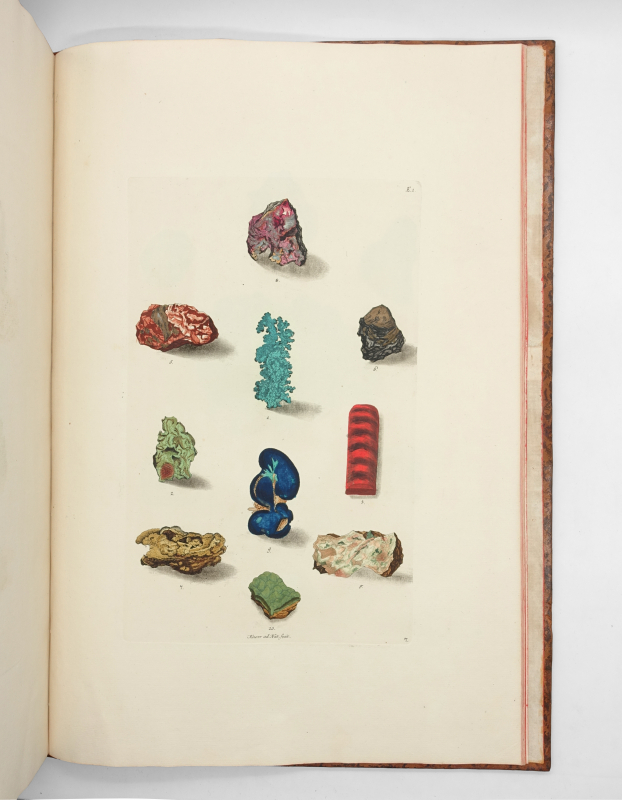
The work contains the following engravings: corals (15 plates), shells (7), butterflies (6), sea urchins (4), minerals (6), crustaceans and spiders (7), starfish (4), fish (9), birds (7), quadrupeds (14), reptiles and amphibians (12).
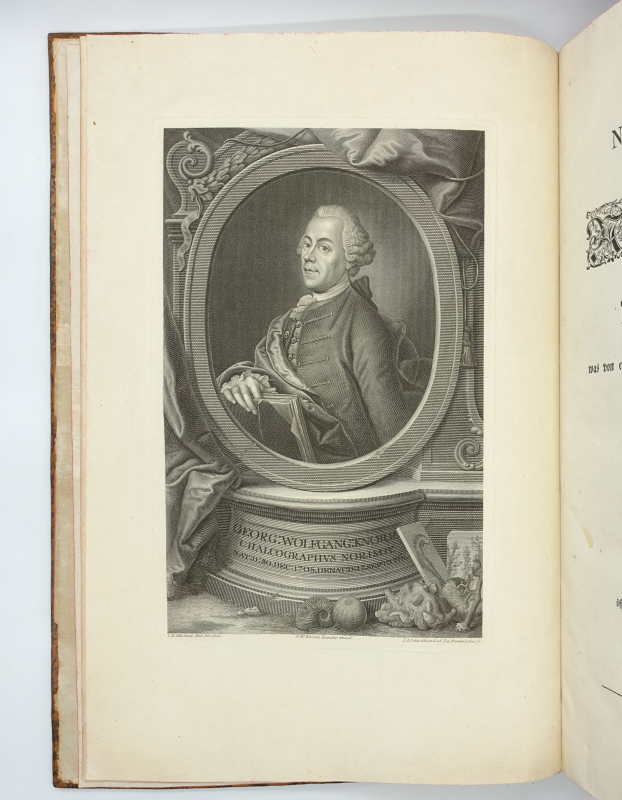
A superb copy containing the very rare engraved portrait that is always missing.